Source Gasoline Cargo Transport Van for Logistics, Delivery, and Warehousing
Explore 30 listings of gasoline cargo transport van options with varying capacities and configurations. Buyers can compare specifications, pricing, and customization features to find the right vehicle for their operational needs.
Key considerations
Products List


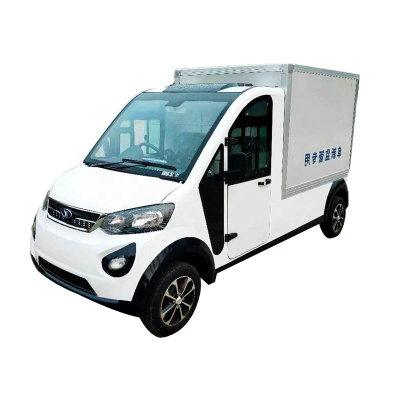


Factory Price Gasoline Diesel Powered Transporter Vehicle Delivery 13seats Van
$20000.00 - $35000.00
Moq: 1


Comprehensive Sourcing Guide
Strategic Sourcing Guide for Gasoline Cargo Transport Vans
Understanding the Current Market Landscape for Cargo Vans
When initiating a procurement strategy for gasoline-powered cargo transport vans, buyers must first navigate a market that often presents a complex mix of powertrain technologies. While the core keyword focuses on gasoline units, the available supply chain data reveals a significant presence of electric and alternative fuel vehicles. This divergence requires a rigorous filtering process to isolate true gasoline-powered options from the broader inventory of electric delivery vans, which often share similar chassis designs and body types. The observed product landscape includes models with varying horsepower ratings, transmission types, and emission standards. Buyers must be aware that while some listings specify "Zero Emission" or "Electric Energy," others may reference internal combustion engines with specific displacement ranges. The distinction is critical because the operational cost structure, regulatory compliance, and maintenance requirements for gasoline units differ fundamentally from their electric counterparts. A successful sourcing campaign begins with a clear definition of the required powertrain to avoid confusion in the initial supplier outreach phase.
Technical Specifications and Performance Metrics
The technical evaluation of a gasoline cargo van centers on a set of verifiable performance metrics that directly impact operational efficiency. In the context of available data, buyers should prioritize the verification of engine displacement, which typically falls within a range of 1600-2500CC for light commercial vehicles. This displacement range is indicative of the torque and power output necessary for urban delivery and light freight tasks. The maximum power output for comparable units in the market often reaches approximately 93 Kilowatts, translating to a maximum horsepower of around 125 PS. Torque figures are equally vital, with observed values reaching up to 320 N·M, which ensures adequate acceleration when the vehicle is fully loaded.
Furthermore, the physical dimensions and load capacity are paramount for logistics planning. The standard load capacity for these vehicles generally spans from 1 to 10 tons, allowing for flexibility in cargo volume. The vehicle body type is predominantly "Closed," ensuring the security and weather protection of goods during transit. Dimensions vary by model, with specific standard configurations observed at approximately 5364 × 2030 × 2420mm or 5420 × 1715 × 2310mm. Buyers must verify the wheelbase configuration, as options often include both short and long wheelbase variants to suit different cargo needs. The tire design is typically radial, providing stability and longevity on varied road surfaces. Additionally, the braking system, often a combination of drum and disc brakes, must be inspected to ensure it meets the specific stopping power requirements for the vehicle's gross weight.
Compliance, Certification, and Regulatory Standards
Navigating the regulatory landscape is a non-negotiable aspect of sourcing gasoline cargo vans, particularly given the strict emission standards imposed in many regions. While the provided data highlights "Zero Emission" and "ISO" certifications for certain electric models, gasoline units must be evaluated against specific Euro emission standards, such as Euro 6, which is explicitly mentioned in the context of diesel and gasoline light vans. Buyers must confirm that the supplier can provide documentation proving compliance with the target market's emission regulations. The presence of an ISO certification for tires and other components is a positive indicator of quality management, but it does not automatically extend to the engine's emission compliance.
Verification of the vehicle's origin is also a critical compliance step. The data indicates that many units originate from China, with specific manufacturing hubs in regions like Shanxi. Buyers must ensure that the country of origin aligns with their import requirements and that the vehicle meets the safety standards of the destination country. The "5395x1780x1955" and "5240x1970x1990" standard dimensions suggest specific regulatory classifications for vehicle length and width, which can affect road tax and licensing. It is essential to request the full technical dossier, including the type approval certificate, to confirm that the gasoline engine meets the local environmental and safety mandates before finalizing any purchase.
Cost Drivers and Total Cost of Ownership Analysis
The pricing structure for gasoline cargo vans is influenced by several dynamic factors, including the complexity of the powertrain, the level of customization, and the specific configuration of the vehicle. The observed price range in the market spans from 2,000 to 39,999 USD, a wide variance that reflects differences in brand, engine capacity, and optional features. Buyers should analyze the Minimum Order Quantity (MOQ), which typically ranges from 1 to 5 units, allowing for both single-unit procurement and small fleet acquisitions. However, the cost per unit may decrease with volume, a factor that should be negotiated during the supplier evaluation phase.
Beyond the initial purchase price, the Total Cost of Ownership (TCO) for gasoline vans is heavily dependent on fuel efficiency, maintenance intervals, and parts availability. While electric vans offer lower energy costs, gasoline units may have different maintenance profiles, particularly regarding engine oil changes and transmission servicing. The "Roll on/Roll-off" and "Naked" packing options mentioned in the data suggest variations in shipping costs and handling requirements, which can impact the landed cost. Buyers must also consider the cost of customization, which is listed as available, as this can significantly alter the final price. A comprehensive TCO analysis should include projected fuel costs based on the vehicle's displacement and expected mileage, as well as the availability of spare parts for the specific engine model.
Typical Applications and Operational Use Cases
Gasoline cargo vans are versatile assets suitable for a wide array of commercial applications, ranging from last-mile delivery to regional distribution. The "Closed" body type and varying wheelbase options make them ideal for transporting goods that require protection from the elements, such as electronics, retail merchandise, or construction materials. The "V33 Van" and "Lingyue Electric Cargo Van" models, while some are electric, illustrate the design philosophy applicable to gasoline equivalents: a compact footprint with a robust cargo area. The "Long Wheelbase" and "Short Wheelbase" configurations allow businesses to choose between maximum cargo volume and enhanced maneuverability in tight urban environments.
The "Steering: Left" and "Steering: Right" options indicate that these vehicles are adaptable to different traffic flow regulations globally. The "Optional" color feature allows companies to brand their fleets effectively, enhancing corporate identity. The "Gradibility" of 23% suggests that these vehicles are capable of handling moderate inclines, making them suitable for hilly urban areas or industrial zones with varied terrain. The "Epb" (Electronic Parking Brake) and "Automatic" transmission options enhance driver comfort and reduce fatigue during stop-and-go delivery routes. Buyers should match the specific application needs, such as the frequency of stops and the nature of the cargo, to the vehicle's specifications to ensure optimal operational performance.
Supplier Evaluation and Quality Assurance Protocols
Evaluating suppliers for gasoline cargo vans requires a multi-faceted approach that goes beyond price comparison. Buyers must verify the supplier's ability to provide accurate technical data and their track record in delivering vehicles that meet the specified standards. The presence of "Customization: Available" is a significant advantage, allowing buyers to tailor the vehicle to specific operational needs. However, this also necessitates a clear definition of the customization scope to avoid scope creep and unexpected costs.
Quality control should be a central component of the supplier evaluation. Buyers should request evidence of the manufacturing process, including quality assurance protocols for the engine, transmission, and chassis. The "ISO" certification for tires is a positive sign, but it should be complemented by checks on the engine's build quality and the vehicle's overall assembly standards. The "Natural Cooling" system for the motor, while noted for electric models, highlights the importance of understanding the thermal management systems in all vehicle types. Suppliers should be able to provide test results or third-party validation reports that confirm the vehicle's durability and safety. Additionally, the "Packing" method, whether "Roll on/Roll-off" or "Naked," should be assessed for its impact on the vehicle's condition upon arrival.
Long-Term Procurement and Lifecycle Management
Sourcing gasoline cargo vans is not merely a transactional event but a strategic decision that impacts long-term fleet management. Buyers must consider the lifecycle of the vehicle, including its expected service life, resale value, and the availability of after-sales support. The "New" condition of the listed products indicates that the market is focused on fresh inventory, but buyers should inquire about the warranty terms and the availability of replacement parts. The "Weight" range of 2-3.5 tons suggests a vehicle class that requires specific maintenance schedules to ensure longevity.
Long-term considerations also include the potential for regulatory changes affecting gasoline vehicles. As many regions move towards stricter emission standards and electrification, buyers should assess the risk of obsolescence. The "Zero Emission" trend observed in the market suggests a shift in consumer and regulatory preferences. Therefore, a robust procurement strategy should include a contingency plan for the eventual transition to alternative fuel vehicles. Buyers should also evaluate the supplier's support infrastructure, including training for drivers and maintenance technicians, to ensure that the fleet operates efficiently throughout its lifecycle. By focusing on these long-term factors, buyers can secure a reliable and cost-effective solution for their cargo transport needs.
FAQs
What is the load capacity range for these cargo vans?
The load capacity ranges from 1 to 10 tons for these units. This range supports various light freight tasks while maintaining stability on urban roads.
Can I customize the color and body type of the van?
Customization is available for color and body type configurations. Buyers can select from optional colors and closed body styles to meet specific branding or operational needs.
Which transmission types are available for these vehicles?
Both automatic and manual transmission types are available in the inventory. This flexibility allows buyers to choose the driving experience that best suits their fleet operations.
What is the maximum horsepower for the gasoline models?
The maximum horsepower reaches 125 PS for the relevant models. This power output ensures adequate performance for light commercial delivery tasks and moderate inclines.
How is the vehicle packed for shipping from China?
Vehicles are packed using roll-on/roll-off or naked packing methods. These options are standard for shipping units originating from China to ensure safe transit.
What is the minimum order quantity for purchasing these vans?
The minimum order quantity ranges from 1 to 5 units. This allows for both single-unit procurement and small fleet acquisitions without excessive volume commitments.
Are ISO certifications available for the tires and components?
ISO certification is available for tires and specific components. This indicates adherence to quality management standards, though buyers should verify engine compliance separately.
What are the standard dimensions for the cargo van models?
Standard dimensions include configurations like 5364 × 2030 × 2420mm or 5420 × 1715 × 2310mm. These sizes vary by model to accommodate different cargo volume requirements.